
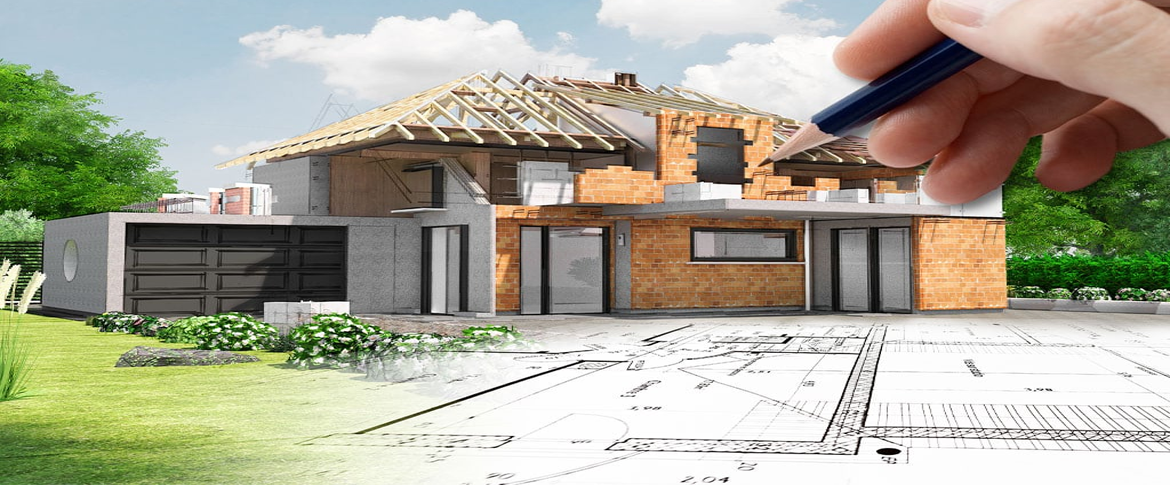
Residential Extensions: A Practical Guide (and Where Estimating Fits)
Residential extensions are one of the most common project types in the home construction sector—exciting, value-adding, and highly customisable. But they also come with moving parts beyond the build itself: planning, temporary living arrangements, approvals, and cost control. This guide walks through the key steps to consider before and during an extension, and explains how professional estimating supports smarter decisions from the start.
Basic planning
Home extensions can range from a small extra room to a major redesign. Before architects begin detailed drawings, clarify why you’re extending—whether it’s lifestyle-driven or primarily to add value—and then pressure-test the practical realities. Consider how construction will affect day-to-day living, whether areas of the home become unusable, and whether you may need temporary accommodation. These decisions quickly influence your budget and timeline, so it’s worth thinking them through early.
Budget
Once the direction is clear, the next step is establishing a realistic budget. This usually starts with a rough cost allowance based on early concepts—then becomes more accurate as plans develop and the scope tightens. At this point, you can begin seeking indicative pricing from builders and architects to validate your expectations and confirm feasibility. Even if it’s not perfect early on, this process helps avoid committing to a design that can’t be delivered within your financial limits.
Gaining permission
Regardless of extension size, approvals matter. Many projects require permits through your local council, and some may require planning approval before you can even pursue a building permit. Your drawings also need to comply with local regulations, and the professionals you engage must be appropriately registered and qualified. It’s also sensible to speak with neighbours early—surprises tend to cause friction, while early communication reduces objections and delays.
Working with professionals
After approvals are underway, selecting the right architect/designer and builder becomes critical. Strong professionals will help integrate the extension with the existing house so the result feels cohesive—functionally and aesthetically. This phase is where materials, construction methods, timelines, and design detail become more defined. Because it’s your home and your investment, alignment matters—review past projects, assess quality, and make sure you can collaborate effectively.
Where the estimator comes in
This is where cost certainty improves. A qualified estimator reviews the drawings and scope before construction begins, breaks down costs clearly, and helps confirm whether the project is being planned efficiently and affordably. Estimating supports homeowners, architects, and builders by turning “ideas” into structured cost plans—highlighting risk areas, identifying scope gaps, and strengthening cost control as the project moves toward tender and delivery.
Need residential extension estimating support?
If you’re planning an extension and want a clearer view of costs before committing, professional estimating can help you build with confidence. A structured estimate reduces surprises, supports better decision-making, and gives your project a stronger foundation from concept to construction.
A key decision criterion for PCL was based on the fact that STACK is built on a modern cloud technology platform which enables improved collaboration during the quantity takeoff process.